
THE MORE YOU KNOW
THE BETTER YOU NEGOTIATE
Sublease Space in Orange County Drops: What Tenants Need to Know
In Q3 2024, available sublease space in Orange County fell to 3.0 million square feet, representing a 7.2% decrease from last quarter and a significant 21.7% drop year-over-year. This decline suggests that sublease opportunities are becoming scarcer, especially as many companies let their sublease terms expire.
Understanding the Sublease Market
Subleasing has been a key strategy for businesses looking to reduce costs by leasing out unused office space. However, with the drop in available sublease space, it’s clear that fewer companies are offloading their excess office real estate. This could be due to companies reaching the end of their sublease agreements, or because fewer businesses are willing to sublease their space in the current economic climate.
Office Availability: A Look at the Numbers
Overall office availability in Orange County dropped by 10 basis points to 22.9% in Q3 2024, down from 24% a year ago. This may not seem like a significant shift, but combined with the fall in sublease space, it reflects a tightening market for tenants who may be looking for flexible options.
The Impact on Tenants:
• Fewer sublease options mean less flexibility for tenants looking to secure short-term or more affordable office space.
• Class A properties remain in demand, especially with trophy spaces added to the market, but availability is tight.
• Average asking rental rates are rising slightly, with the market seeing increases of $0.10 per square foot from the previous quarter.
How to Navigate the Market:
For tenants, this shift in the sublease market means fewer options and potentially higher costs. If you’re considering expanding or relocating, it’s important to act quickly before availability tightens further. Even if sublease space is not your preferred option, understanding its role in the overall market can help you make better leasing decisions.
If you’re searching for the best office space solutions in the Orange County or Los Angeles areas, let The Ocean Company guide you. Our expertise in tenant representation will ensure you get the space you need at a price that makes sense for your business.
Orange County Office Leasing Market Sees Surge in Q3 2024: What It Means for Tenants
The office leasing market in Orange County experienced a significant shift in the third quarter of 2024, recording 1.9 million square feet (msf) in leasing activity. This reflects a 29.9% increase from the previous quarter and a modest 2.3% increase year-over-year. These numbers indicate a positive shift in market dynamics, driven primarily by lease renewals.
Leasing Trends in Q3 2024: The Airport Area Takes the Lead
A substantial portion of the lease activity during this period came from the Airport Area submarket, a hub for financial services and insurance companies. These sectors were responsible for driving the demand, with many businesses opting to renew their leases rather than expand their office space. Notably, eight out of the top 10 lease transactions were renewals, showing that while leasing activity is up, new office space demand remains limited.
Why the Wait-and-See Approach?
Despite the uptick in leasing, occupiers are still cautious. Many businesses are adopting a wait-and-see approach, hesitating to expand or move into new spaces. This is largely due to the uncertainty surrounding the economy and the continuing trend of hybrid work models. As a result, many companies are choosing to downsize their office space footprints to reflect the reduced in-office headcount. This caution is something tenants need to be aware of as it shapes the market’s future availability and pricing.
Key Takeaways for Tenants:
• Leasing renewals are dominating the market, especially in key submarkets like the Airport Area.
• Financial and insurance sectors are driving demand, a factor to consider if you’re in a related industry.
• Tenants looking for new space may find limited availability as companies continue to downsize.
• With occupiers hesitant to expand, now could be a strategic time to renegotiate lease terms.
How The Ocean Company Can Help
Whether you’re looking to renew your lease or explore new opportunities, The Ocean Company specializes in tenant representation in the Orange County and Los Angeles markets. We have the expertise to help you navigate this shifting landscape and secure the best possible deal for your business.
Call us today to discuss your office space needs and discover how we can help you find the perfect solution.
Top Real Estate Strategies for Healthcare Practices
For healthcare practices looking to buy or lease real estate in Orange County, now is a great time to explore opportunities. Unlike the broader office market, which has been struggling, the healthcare real estate sector is thriving, which offers plenty of leverage for practices seeking new space. With vacancy rates still relatively low, particularly in medical office buildings (MOBs), demand remains strong, but there are areas where healthcare providers can benefit.
One key advantage for healthcare practices is the growing trend of office-to-medical conversions. As traditional office spaces continue to see high vacancy rates, landlords are increasingly willing to convert these properties into healthcare facilities. This trend gives practices a chance to negotiate favorable terms, especially if you’re targeting areas with older or underused office spaces that can be adapted for healthcare use. Areas like the Tri-Cities (Irvine, Newport Beach, and Costa Mesa) offer attractive options for practices looking to expand, as they are seeing positive absorption and interest from major health systems.
Another point of leverage is the shift towards outpatient care. With more healthcare providers moving away from large hospital-based models, there is an opportunity to secure space in growing suburban markets where patient demand is high but competition remains manageable. Practices specializing in high-demand areas like dermatology, ophthalmology, or physical therapy may find excellent leasing deals as landlords look to fill vacancies with stable, long-term tenants.
Lastly, the private equity slowdown in healthcare could work in your favor. With fewer acquisitions happening, independent practices might have more negotiating power when securing real estate, as institutional buyers are less aggressive. This could lead to more flexible terms or lower upfront costs when purchasing or leasing space. Now is the time to leverage these trends and position your practice for long-term growth in Orange County’s healthcare real estate market.
The Ocean Company is an advisory service for commercial tenants. If you have questions about facility leases or want to acquire or dispose of a commercial property contact us.
Email: info@theoceanco.com

Navigating the Current Biotech Real Estate Landscape: Opportunities for Life Science Businesses
The biotech real estate market is currently experiencing a significant shift. Demand for life science properties is softening, with rising vacancies and increased competition for tenants, particularly in the major life science hubs of Boston, San Francisco, and San Diego. According to Cushman & Wakefield, vacancies have surged to 24%, 27%, and 17% in these cities, respectively. For life science businesses, this presents both challenges and unique opportunities to leverage the changing landscape to their advantage.
Why the Shift in the Biotech Real Estate Market?
Several factors have contributed to this change. Reduced venture capital funding, particularly for smaller companies, has forced many firms to reconsider their space needs. Furthermore, the end of the pandemic’s surge in research and development (R&D) funding—largely driven by COVID-19 treatments and vaccines—has led to a slowdown in demand. Add to this the increasing cost of lab construction (up by 20%) and specialized equipment (rising 30-50%), and it’s easy to see why the biotech real estate sector is facing a reckoning.
However, one area that continues to thrive is Class A real estate. Major players like Alexandria Real Estate Equities are doubling down on high-end, self-contained, multitenant campuses that offer on-site services designed to attract top talent. These amenities, coupled with the prestige of Class A properties, make these spaces highly sought after, with rental prices expected to continue rising despite overall market softness.
The Shift Toward Mega Campuses
One of the most important trends in biotech real estate is the move toward “mega campuses.” Alexandria, for instance, is investing heavily in these campuses, which now account for nearly 70% of the company’s annual rental revenue. These campuses offer more than just lab space—they provide an ecosystem, with on-site amenities such as fitness centers, dining options, and collaborative spaces, creating a built-in advantage for companies looking to attract top-tier scientific talent. According to Alexandria executives, these campuses also offer the best prospects for financing and long-term rent growth.
How Life Science Companies Can Leverage the Market
For life science companies, the current market conditions offer several opportunities to maximize leverage and secure favorable terms:
1. Take Advantage of Tenant Allowances:
As landlords compete to fill vacancies, tenant improvement allowances have increased by 38% in top markets, according to CBRE. These allowances give tenants the flexibility to customize lab and office spaces to meet their specific needs. Life science companies should negotiate aggressively for these concessions, especially for highly specialized spaces like vivariums and clean rooms, which come with higher build-out costs.
2. Capitalize on Softer Demand:
With vacancy rates at historical highs and a growing amount of sublease space available, life science companies can negotiate lower rents or lock in favorable terms. Companies with a clear long-term vision should consider expanding or relocating to top-tier markets where rents may have softened, while locking in advantageous deals for the future.
3. Consider Strategic Location Choices:
While mega campuses are in high demand, not all life science firms need to be in the most prestigious locations. Some emerging biotech hubs, such as New Jersey, are experiencing a surge in new construction but without the oversupply issues plaguing major markets. These areas offer competitive pricing while still providing access to talent and infrastructure. For businesses looking to optimize their real estate spend, exploring these secondary markets could yield significant savings.
4. Partner with Landlords Offering Flexibility:
In this volatile market, having flexibility in your lease terms is crucial. Companies should seek out landlords who are willing to provide options for expansion or downsizing, as business needs can change quickly. With some developers facing difficulties filling space—especially in properties converted from general office use—this is the perfect time to negotiate for more flexible terms.
The Long-Term Outlook: Why Now is the Time to Act
While the current market offers leverage, experts predict that the high demand for Class A space and specialized lab facilities will push rents higher as new spaces come online through 2025. For life science companies, this means the window for securing favorable terms may be limited. Acting now to lock in competitive rents or securing prime space in a top-tier campus could pay dividends in the coming years.
Moreover, for companies focused on growth, leasing space in a well-amenitized campus could provide a strategic advantage when recruiting talent. With the biotech industry’s reliance on highly specialized professionals, offering an attractive work environment can be a key differentiator in a competitive job market.
Conclusion
The biotech real estate market is in flux, but this presents opportunities for savvy life science businesses to maximize their leverage. Whether it’s negotiating for better tenant allowances, securing flexible lease terms, or capitalizing on market softening in prime locations, the key is to act strategically. As the market continues to shift, businesses that make informed decisions now will be better positioned for future growth in an increasingly competitive landscape.
SEO Keywords: biotech real estate, life science property, life science business, Alexandria Real Estate, mega campuses, tenant improvement allowances, Class A space, lab construction costs, biotech leasing, life science market

The Importance of Tenant Representation in Los Angeles
Introduction
Tenant representation is a crucial service in the commercial real estate sector, especially in a competitive market like Los Angeles. At The Ocean Company, we specialize in providing top-notch tenant representation services to help businesses find the perfect spaces for their needs.
What is Tenant Representation?
Tenant representation involves a commercial real estate broker acting on behalf of a tenant to find, negotiate, and secure rental spaces. This service is essential for businesses looking to lease commercial properties without the hassle and risk of going it alone.
Benefits of Tenant Representation
Expert Negotiation: Ensure you get the best lease terms.
Market Insight: Gain access to insider knowledge of the local market.
Time Efficiency: Save valuable time by letting experts handle the search and negotiation process.
The Los Angeles Commercial Real Estate Market
Los Angeles is a sprawling metropolis with a complex real estate market. Understanding the nuances of this market is critical for any business looking to lease commercial space.
Key Areas to Consider
Downtown LA: Known for its high-rise office buildings and bustling business environment.
Santa Monica: A hub for tech companies and creative industries.
Beverly Hills: Ideal for luxury retail and professional services.
Why Choose The Ocean Company for Tenant Representation?
At The Ocean Company, we pride ourselves on our local expertise and commitment to client satisfaction. Here’s why you should choose us:
1. Extensive Market Knowledge
Our brokers have an in-depth understanding of the Los Angeles commercial real estate market, ensuring you get the best advice and opportunities.
2. Personalized Service
We tailor our services to meet the unique needs of each client, ensuring a personalized and efficient experience.
3. Strong Negotiation Skills
Our team is skilled in negotiating favorable lease terms, saving you money and securing the best possible deal.
Steps in the Tenant Representation Process
1. Initial Consultation
We begin with a detailed consultation to understand your business needs and goals.
2. Market Research
We conduct comprehensive market research to identify suitable properties.
3. Property Tours
We arrange and accompany you on tours of selected properties, providing expert insights and advice.
4. Lease Negotiation
We handle all aspects of lease negotiation, ensuring terms that are favorable to you.
5. Finalization
We assist with the finalization of the lease agreement, ensuring all legal and logistical aspects are covered.
Conclusion
Tenant representation is a vital service for any business looking to lease commercial space in Los Angeles. At The Ocean Company, we are dedicated to providing exceptional tenant representation services that help you find the perfect space for your business.
Looking for the perfect commercial space in Los Angeles? Contact The Ocean Company today and let our experts guide you to the best lease terms and locations!

How Interest Rates and Leasing Trends Affect San Diego's Industrial Real Estate
The surge in industrial developments over the past two years has slowed considerably. Developers completed over 1.5 billion square feet of industrial projects in the U.S. during 2022 and 2023, but many of these were finished without tenants, pushing the vacancy rate from 3.8% to 6.4%. Now, early 2024 data shows a 30% drop in completed projects, signaling a significant slowdown in new developments.
Interest Rates and Their Impact
Higher interest rates have played a crucial role in curbing new industrial construction starts. By the fall of 2023, industrial construction starts had plummeted to 10-year lows, with projections indicating a continued decline through mid-2025. This decrease in new projects is a direct response to the financial environment, which affects developers' ability to finance new constructions.
Important Numbers:
Construction start decline: Down 40% in early 2023, further 60% drop in the following 12 months.
Interest rate impact: Higher costs limit new development financing.
Implications for San Diego's Market
San Diego’s industrial real estate market, while influenced by national trends, has its unique dynamics. The slowdown in new industrial projects could lead to a tighter market locally, especially if tenant demand remains steady or improves.
Local Market Insights:
Tightening Supply: Fewer new completions could reduce available industrial spaces.
Investment Potential: Limited new supply may increase the value of existing properties.
Tenant Opportunities: Businesses may need to act quickly to secure desirable spaces.
The Ocean Company: Your Partner in San Diego Real Estate
Navigating these changes requires expert knowledge and strategic planning. At The Ocean Company, we offer specialized services in tenant representation and investment sales to help you succeed in San Diego’s competitive market. Our team is dedicated to providing personalized solutions tailored to your specific needs.
What We Offer:
Customized Search: Finding industrial spaces that match your business requirements.
Strategic Investment Advice: Helping you capitalize on market opportunities.
Local Market Expertise: Providing up-to-date insights and trends.
Interested in making the most of the current market conditions? Reach out to The Ocean Company today and discover how we can assist you in achieving your real estate goals in San Diego.
Investing in Los Angeles Commercial Real Estate: A Guide for New Investors
Los Angeles is a prime market for commercial real estate investment, offering numerous opportunities for new investors. At The Ocean Company, we specialize in helping clients navigate the complexities of commercial real estate in LA. This guide will provide you with essential tips and insights to get started.
Why Invest in Los Angeles Commercial Real Estate?
Los Angeles is one of the most dynamic and diverse real estate markets in the world. Here are some compelling reasons to invest:
Strong Economic Fundamentals
Diverse Economy: LA's economy is supported by a wide range of industries, from entertainment to technology.
Population Growth: Continuous population growth drives demand for commercial spaces.
Global City: As a global city, LA attracts businesses and investors from around the world.
High Demand for Commercial Spaces
The high demand for commercial spaces in key areas like Downtown LA and Santa Monica ensures steady rental income and potential for property appreciation.
Types of Commercial Real Estate Investments
1. Office Buildings
Office spaces in business hubs like Downtown LA are always in high demand.
2. Retail Spaces
Retail properties in areas like Beverly Hills and Santa Monica offer high visibility and foot traffic.
3. Industrial Properties
Industrial properties in locations like the South Bay are crucial for logistics and manufacturing businesses.
Key Considerations for New Investors
Investing in commercial real estate requires careful planning and due diligence. Here are some key considerations:
Location
Choose locations with high demand and potential for growth. Research local market trends and future developments.
Property Condition
Inspect the property thoroughly to identify any potential issues or required renovations.
Financing
Secure financing options that offer favorable terms. Consider working with local banks or financial institutions familiar with the LA market.
Legal Aspects
Ensure all legal aspects are covered, including zoning laws, property taxes, and lease agreements.
Working with a Commercial Real Estate Broker
A commercial real estate broker can provide invaluable assistance in navigating the investment process. Here’s how The Ocean Company can help:
Market Analysis
We provide detailed market analysis to help you make informed investment decisions.
Property Search
We assist in finding properties that meet your investment criteria and goals.
Negotiation
Our experts negotiate the best purchase terms on your behalf, ensuring a profitable investment.
Closing the Deal
We guide you through the closing process, ensuring all legal and financial aspects are handled smoothly.
Conclusion
Investing in Los Angeles commercial real estate offers tremendous opportunities for new investors. By understanding the market and working with experienced professionals like The Ocean Company, you can maximize your investment potential.
Ready to invest in Los Angeles commercial real estate? Contact The Ocean Company today and let’s start building your investment portfolio!
The Impact of Industrial Real Estate Developments on San Diego's Market
Understanding the Nationwide Trends
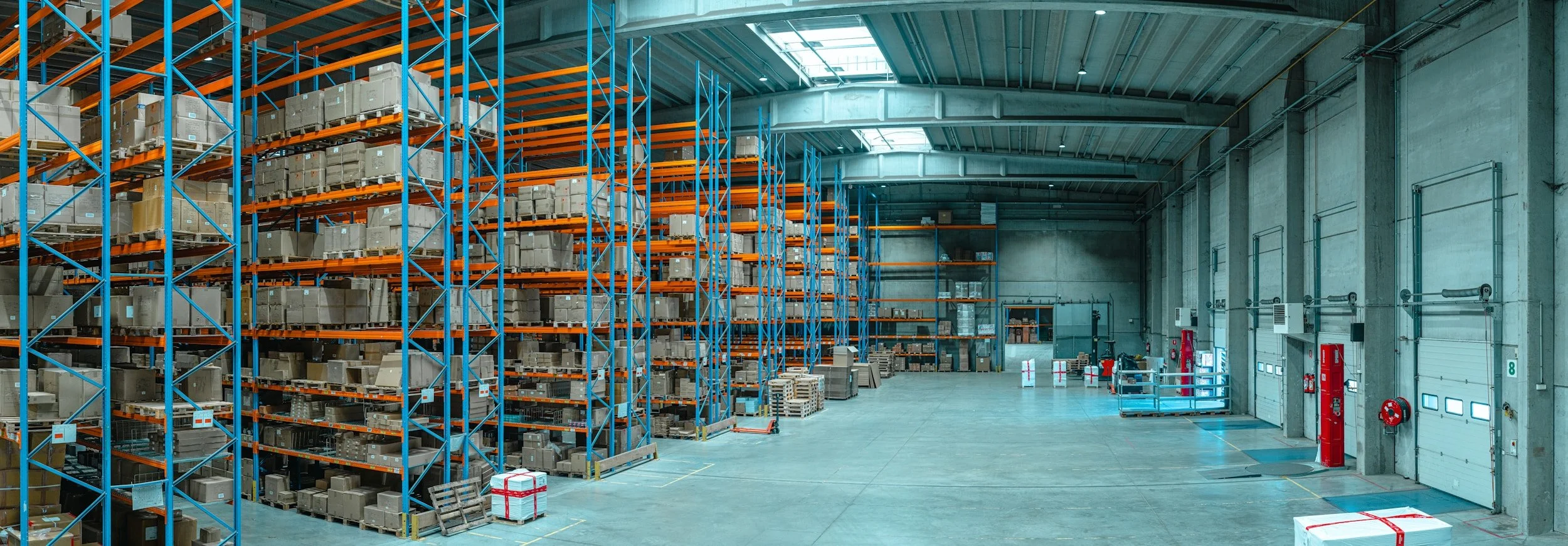
In 2022 and 2023, developers completed over 1.5 billion square feet of U.S. industrial projects. This massive expansion, equivalent to all the existing industrial space in metropolitan Chicago, marked the largest growth in U.S. industrial supply over two years in more than half a century. Interestingly, many of these developments were completed without any tenants lined up, which significantly increased the U.S. industrial property vacancy rate from an all-time low of 3.8% in mid-2022 to 6.4%.
Recent Developments and Projections
As we move into 2024, data shows a decline in the number of projects finishing construction. Within CoStar’s National Index, 106 million square feet of industrial property developments were completed during the first quarter of 2024, a 30% drop from the previous quarter, and the lowest amount under construction in 18 months. This trend indicates a more prolonged reduction in industrial development completions is just beginning, influenced by higher interest rates and a slower leasing environment.
Key Statistics:
· Industrial projects in 2022-2023: 1.5 billion square feet
· Vacancy rate increase: 3.8% to 6.4%
· Q1 2024 completions: 106 million square feet (down 30%)
Local Impact on San Diego’s Commercial Real Estate Market
San Diego, known for its strategic location and robust economy, is no stranger to the fluctuations in the national industrial real estate market. The slowdown in new industrial development completions nationally suggests a potential stabilization or even tightening of vacancy rates locally if the demand for industrial spaces continues to improve.
Why This Matters for San Diego:
· Stabilizing Vacancy Rates: The lower number of new completions could help stabilize local vacancy rates.
· Potential for Increased Demand: With fewer new projects, existing industrial spaces might see higher demand.
· Investment Opportunities: A tighter market could present lucrative opportunities for investors.
Navigating the Market with The Ocean Company
At The Ocean Company, we specialize in tenant representation and investment sales, providing expert guidance to navigate the complexities of the commercial real estate market in San Diego. Whether you're looking to lease, buy, or invest, our team is equipped with the local knowledge and industry expertise to help you make informed decisions.
Our Services:
· Tenant Representation: Finding the perfect space to meet your business needs.
· Investment Sales: Identifying and securing profitable investment opportunities.
· Market Analysis: Providing insights into market trends and projections.
Ready to explore the opportunities in San Diego’s industrial real estate market? Contact The Ocean Company today and let us help you find the perfect solution for your business needs.

Navigating the Current Commercial Real Estate Climate: A Guide for Business Owners
In today's fluctuating commercial real estate (CRE) environment, business owners face a unique set of challenges and opportunities. Understanding the current market dynamics is crucial for making informed decisions, particularly for those planning to lease commercial space. This comprehensive guide provides insights into the latest trends and offers strategic advice to help you navigate the complexities of the CRE market.
The Current State of the Commercial Real Estate Market
The construction economy in the U.S. is experiencing a notable slowdown. The pace of growth in construction spending is expected to decelerate, influenced by underlying issues in the CRE sector. Key indicators and expert analyses point to several factors that business owners should be aware of:
1. Interest Rates and Refinancing: As commercial real estate loans come due, property owners will face the challenge of refinancing at significantly higher interest rates. This is a critical factor for businesses considering leasing or renewing their office space. Experts in the field emphasize that the market has yet to hit bottom, particularly as many office leases are set to expire in the near future. Business owners should brace for potential increases in leasing costs, specifically tenant improvements.
3. Sector-Specific Performance: Not all sectors are equally affected. While the multifamily residential sector remains a weak link, areas such as data centers, manufacturing, and logistics/distribution are poised for growth. This disparity can influence where businesses might find more favorable leasing opportunities.
4. Inflation and Material Costs: Inflation continues to be a significant concern, with materials like concrete showing unpredictable price changes. This impacts construction costs and, subsequently, lease rates for new and existing properties.
5. Labor Availability: The construction industry faces ongoing challenges with labor availability. This can lead to project delays and increased costs, affecting the timing and expense of leasing new spaces.
Strategic Recommendations for Business Owners
Given these conditions, business owners must adopt strategic approaches to secure advantageous deals in the commercial real estate market. Here are several suggestions to help you navigate this environment effectively:
1. Evaluate Lease Expirations and Renewals: With many office leases signed before 2020 still active, now is a crucial time to evaluate your lease terms. If your lease is set to expire soon, start negotiations early to lock in more favorable terms before potential rate increases.
2. Consider Alternative Locations: High vacancy rates and declining property values in certain markets present opportunities. Offices have seen a 24% decline in values since mid-2022, and national office vacancy rates are nearing 20%. Exploring markets with higher vacancy rates could yield more competitive lease terms.
3. Leverage Remote Work Trends: With 30% of paid workdays now involving remote work, consider flexible workspace solutions. Shared office spaces or hybrid work models can reduce overhead costs and provide flexibility in uncertain times.
4. Monitor Inflation and Material Costs: Stay informed about inflation trends and material costs, as these directly impact construction and leasing prices. Engaging with real estate professionals who have up-to-date market knowledge can help you anticipate and mitigate these costs.
5. Diversify Investments: For those considering real estate investments, diversify into sectors less sensitive to interest rate fluctuations. Data centers and manufacturing facilities, for instance, are currently showing robust growth prospects compared to traditional office spaces.
6. Labor Market Insights: Be mindful of labor market conditions that can affect construction timelines. Understanding these dynamics can help in planning and negotiating construction-related aspects of your lease agreements.
Looking Ahead: The CRE Market in 2024
As we look towards 2024, the CRE market presents a mixed outlook. Despite a challenging environment, there are areas of growth and opportunity:
- Economic Recovery and Interest Rates: Economic recovery is expected to continue, albeit slowly. However, interest rates are likely to remain high, maintaining pressure on financing costs. Strategic financial planning and early engagement with lenders can help mitigate some of these challenges.
- Sector Growth Variability: The outlook for multifamily properties has shifted dramatically from a projected 6.4% growth at the beginning of the year to just 0.1% now. Conversely, total non-residential building growth, although modest, remains positive at 2%. Focusing on non-residential sectors that show resilience can provide more stable leasing opportunities.
- Project Stress Conditions: Project stress conditions are now 30% above 2021 levels, driven by sustained high interest rates. Businesses should conduct thorough due diligence on potential lease deals to understand the financial health and stress levels of prospective landlords.
Conclusion: Making Informed Decisions in a Dynamic Market
In conclusion, the current commercial real estate climate requires business owners to be proactive and strategic. By understanding market trends, evaluating lease terms, exploring alternative locations, and staying informed about economic indicators, you can position your business to secure favorable deals. Engage with experienced real estate professionals who can provide valuable insights and assist in navigating this complex environment.
With careful planning and informed decision-making, you can capitalize on opportunities and mitigate risks in the commercial real estate market, ensuring your business remains resilient and poised for growth in the coming years.
Has Los Angeles Hit Bottom?
For office tenants and investors eyeing the Los Angeles market, now may be the opportune moment to capitalize on favorable market dynamics and valuations. Recent transactions hint at a newfound price stability, prompting experts to suggest that the time to act might be upon us.
Kevin Shannon from Newmark, a leading investment sales broker, notes a surge in capital seeking investment opportunities, underlining the increased competition for deals. December witnessed significant sales activity across different segments of Greater L.A.'s landscape:
- Kennedy Wilson's sale of 400 and 450 North Brand Boulevard in Glendale for $60 million.
- Carolwood's acquisition of the AON Center in Downtown L.A. at approximately $134 per square foot.
- Harbor Associates' purchase of 1640 South Sepulveda Boulevard in Westwood for $271 per square foot.
What's striking about these transactions is the substantial discount they represent compared to previous sales, ranging between 50 and 60 percent. Some industry insiders speculate that these prices might constitute the bottom, with expectations of a sustained period at this level.
Adam Rubin of Carolwood sees their acquisition of the AON Center as setting a benchmark, providing clarity amidst uncertainty. This sentiment resonates amid a challenging year that witnessed a 51 percent decrease in office investments compared to 2022.
However, fewer transactions mean fewer comparable data points, posing a challenge for prospective buyers in gauging fair market value. Despite this, the recent sales serve as early indicators of potential market stabilization, albeit varied across submarkets.
Looking ahead, Brookfield Properties' listing of 777 Tower in Downtown L.A. offers insight into future market movements. Despite being 52 percent leased, the property attracted significant interest, suggesting investor confidence despite occupancy concerns.
For both tenants and investors, maximizing leverage in this market requires strategic action. Occupancy rates significantly impact property valuation, with every percentage increase in occupancy potentially adding substantial value. Therefore, for tenants seeking space, negotiating favorable lease terms amid the current market downturn could yield significant cost savings. Similarly, investors should leverage the current pricing environment to acquire assets with strong upside potential, focusing on properties with attractive occupancy rates and long-term value prospects.

Maturing Debts May Lead To Opportunistic Aquisitions In The Office Market
The COVID-19 pandemic reshaped the way we work, triggering a surge in remote work arrangements. As a result, the office sector of the US commercial property market has been under significant pressure. Landlords are grappling with a daunting wave of debt maturities, leading to a record amount of debt being extended or modified rather than refinanced. Goldman Sachs recently cautioned that office mortgages are "living on borrowed time."
With outstanding commercial mortgages set to mature by the year-end hitting a staggering $929 billion, savvy investors are eyeing the potential opportunities arising from defaults on commercial loans. Banks hold $114 billion of this total, while non-bank entities account for the remainder. The significant increase in maturing loans has been primarily driven by lenders and borrowers opting to modify and extend loan terms rather than pursuing refinancing or foreclosure. This trend has disproportionately benefited office loans, offering a window for investors to explore distressed asset acquisitions.
Despite these efforts to delay defaults, Goldman warns that funding costs are unlikely to revert to pre-pandemic levels, potentially posing financial challenges for office properties. Data from CMBS indicate that the percentage of office loans fully paid off at maturity has fallen below 60%, contrasting with other property types where maturity payoff rates remain near decade-high levels.
As office property values plummet, the costs of refinancing existing commercial mortgage loans have soared to two-decade highs. This trend, coupled with declining property values, paints a grim picture for many office buildings, with some experiencing rock-bottom occupancy rates. For investors seeking deals, this presents an opportunity to capitalize on distressed assets and negotiate favorable terms amid market uncertainty.
Goldman analysts anticipate a continued wave of loan modifications in the near term, driven by the economic challenges facing commercial real estate borrowers. However, they caution that the risks associated with this trend are on the rise, signaling a potential shift in the market landscape.
To find opportunistic deals on office buildings where loans are in default or nearing default, investors can employ several strategies:
1. Stay informed: Keep abreast of market trends, foreclosure notices, and distressed property listings to identify potential investment opportunities.
2. Network with lenders: Establish relationships with lenders who may be looking to offload distressed assets or negotiate loan modifications.
3. Conduct thorough due diligence: Assess the financial health and occupancy rates of target properties to gauge their investment viability.
4. Seek creative financing options: Explore alternative financing sources, such as private equity firms or distressed asset funds, to fund acquisitions.
5. Be patient and persistent: Navigating the distressed property market requires patience and persistence. Stay focused on long-term investment goals and be prepared to act swiftly when opportunities arise.
6. Consult with CRE professionals with market expertise that have knowledge of commercial office buildings where landlords are struggling to make new lease transactions.
Written by Jamal Brown

OFFICE STATISTICS PROVE DOWNTOWN SAN DIEGO TENANTS ARE IN THE DRIVER SEAT
Has shrinking office footprints and WFH finally transformed the CRE landscape? We examine the dynamics of San Diego’s CBD through the eyes of office occupiers and present data you can use in upcoming commercial lease negotiations.
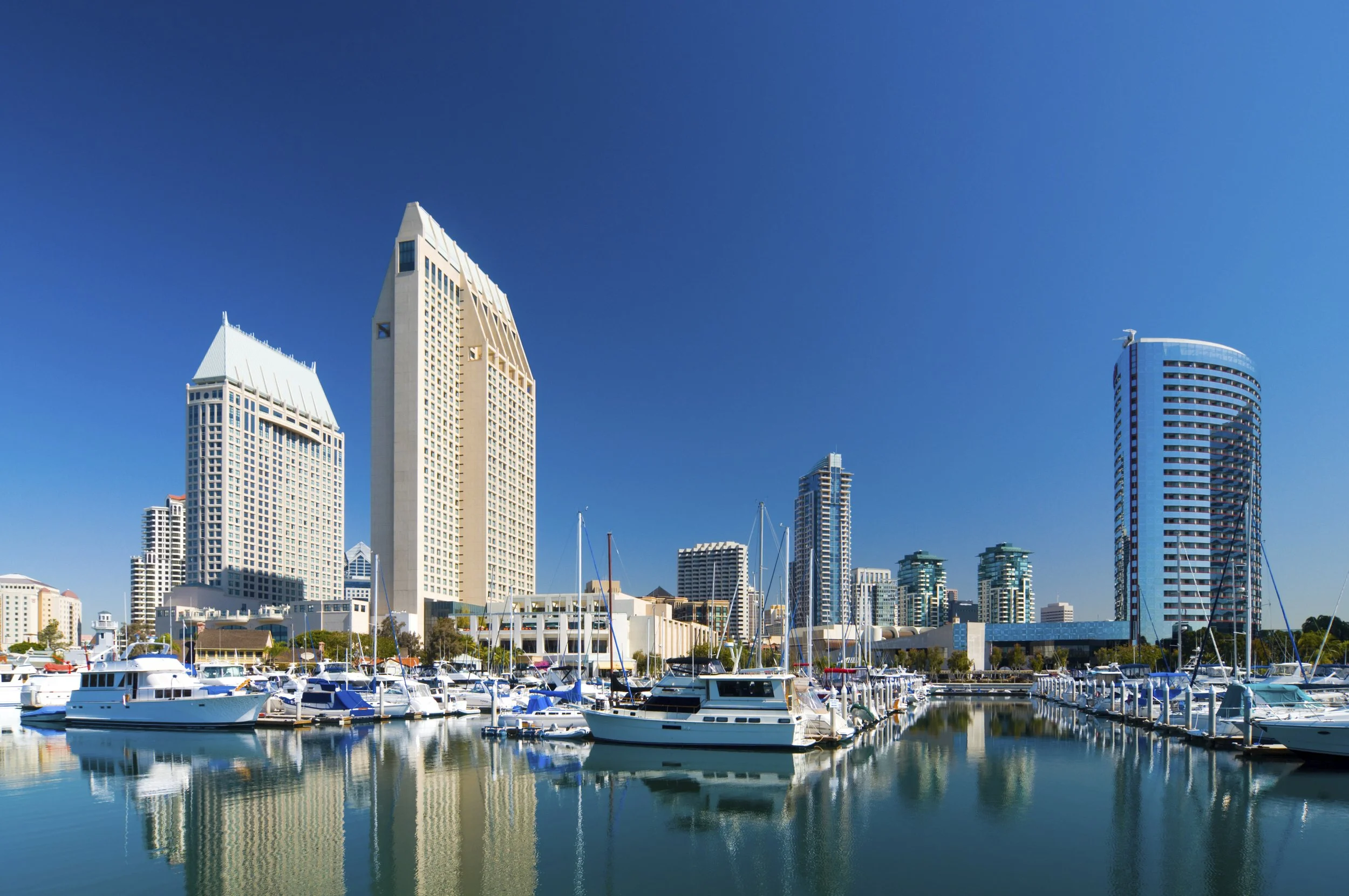
For tenants eyeing office space in San Diego’s Central Business District or considering early lease renegotiations, understanding the current market dynamics is paramount. The first quarter saw a notable rise in vacancy rates, climbing 70 basis points since last year to reach an all-time high of 27.6%. This trend is expected to persist as more office developments reach completion throughout the year.
Downtown San Diego has witnessed a significant shift in occupancy since 2020, with firms increasingly opting for suburban locales like Mission Valley and North County. Recent pending lease agreements by the city of San Diego reflect this trend, signaling a potential reduction in downtown occupancy by nearly 75,000 square feet. Notably, suburban offices often offer amenities like ample free parking, a stark contrast to the limited parking options in downtown locations.
One factor impacting downtown occupancy is concerns about the homeless population, which have deterred some businesses from maintaining a presence in the area. This, coupled with a decline in net absorption over the past two years, paints a challenging picture for downtown landlords.
Landlords have been compelled to offer enticing incentives to attract tenants, such as extended periods of free rent and increased tenant improvement allowances. However, these incentives may not fully offset the costs of build-outs, posing additional challenges for tenants focused on cost control.
Looking ahead, the completion of upcoming projects like West, RaDD, and Campus at Horton is poised to further increase downtown vacancy rates. Speculations suggest that vacancy rates could surpass 35%, potentially reaching 50% due to the prevalence of shadow space in the central business district.
Despite these challenges, there is optimism about Downtown's long-term prospects, driven by its vibrant cultural scene and appeal to younger demographics. However, navigating the current leasing landscape requires careful consideration and, ideally, the expertise of a tenant representation agent. Such professionals can provide invaluable guidance, helping tenants secure favorable terms amidst evolving market conditions.
Creating Stability: The Power of Long-Term Office Leases in Today's Real Estate Landscape
In today's ever-evolving business world, where change is the only constant, making strategic decisions for your company's future is paramount. One such decision that holds tremendous potential benefits is signing a long-term office lease. In this blog post, we'll delve into why, in the current state of the office market vacancy rate and upcoming uncertainties in commercial real estate debt markets, committing to a long-term lease might just be the smartest move you can make for your business.
**The Office Market Landscape**
The commercial real estate market is in a state of flux. Office vacancy rates are fluctuating as businesses reassess their real estate needs in light of remote work trends and the ongoing COVID-19 impact. This unpredictability creates a unique opportunity for savvy business owners willing to embrace stability in uncertain times.
**Benefits of a Long-Term Lease**
1. **Cost-Effective Leasing Rates**: Locking in a long-term lease often comes with favorable rates and concessions. In a market where landlords are eager to secure stable tenants, you can negotiate attractive terms that significantly reduce your overhead costs.
2. **Stability Amid Uncertainty**: Long-term leases provide your business with a secure, stable home base. In an uncertain world, knowing where your office will be for years to come can be a powerful advantage, allowing you to focus on your business without the constant worry of lease negotiations.
3. **Customized Office Space**: With a long-term lease, you have the opportunity to tailor your office space to your exact needs. This flexibility fosters a more efficient and productive work environment, which can be a competitive advantage.
4. **Attract and Retain Talent**: Committing to a long-term lease signals your commitment to the future. This can be a strong selling point when recruiting top talent, as prospective employees value job stability and a consistent work environment.
5. **Asset Appreciation**: In the long run, your leased office space could appreciate in value. As the market rebounds, your real estate asset becomes more valuable, potentially offering an additional source of income or a valuable asset to leverage.
**Negotiation Techniques for a Favorable Deal**
1. **Research and Market Insight**: Arm yourself with knowledge about local market conditions, vacancy rates, and rental trends. This information is your best bargaining tool.
2. **Longer Term Commitment**: Be open to extending the lease duration. Landlords often reward longer commitments with better terms.
3. **Concessions and Build-Outs**: Negotiate for rent abatements, tenant improvement allowances, or other concessions. Landlords may be willing to invest in your space to secure a long-term tenant.
4. **Flexible Clauses**: Include flexibility clauses in your lease, such as expansion or contraction options. This ensures your space can adapt to your changing needs.
5. **Early Renewal Options**: Secure the right to renew the lease at a predetermined rate. This safeguards your favorable terms for years to come.
In conclusion, while the commercial real estate landscape is uncertain, committing to a long-term office lease can provide your business with stability, cost savings, and a competitive edge. By employing smart negotiation techniques, you can secure a deal that not only meets your current needs but also positions your business for long-term success. Embrace the opportunity to take control of your company's future by exploring the advantages of a long-term office lease today.
Our team can assist you in leasing or purchasing commercial real estate that supports your short and long term needs. Reach out to us today at info@theoceanco.com

Exploring San Diego: Unveiling its Rich History, Culinary Delights, and Outdoor Adventures
San Diego, known as "America's Finest City," offers a perfect blend of history, gastronomy, and outdoor activities. Its stunning beaches, iconic landmarks, and vibrant culture make it a dream destination for travelers. Join me as we explore the enchanting tourist destinations of this southern California gem, uncovering its intriguing history, mouthwatering culinary attractions, and exhilarating outdoor adventures.
Unveiling History:
A visit to San Diego wouldn't be complete without delving into its rich historical past. Begin your journey at the historic Old Town, often referred to as the "birthplace of California." Wander through the adobe buildings, visit the preserved homes and museums, and embrace the Spanish and Mexican influences that shaped this city's heritage.
Just a short drive away, you'll find Balboa Park, a true treasure trove of history. Take a stroll through its lush gardens, admire the breathtaking architecture, and explore its impressive array of museums, including the renowned San Diego Museum of Art and the Museum of Natural History.
Culinary Scene:
San Diego's diverse cuisine scene ensures that you'll never go hungry. Indulge in the delectable flavors of Baja California at one of the city's many Mexican eateries. From authentic street tacos to mouthwatering seafood, your taste buds will be in for a treat.
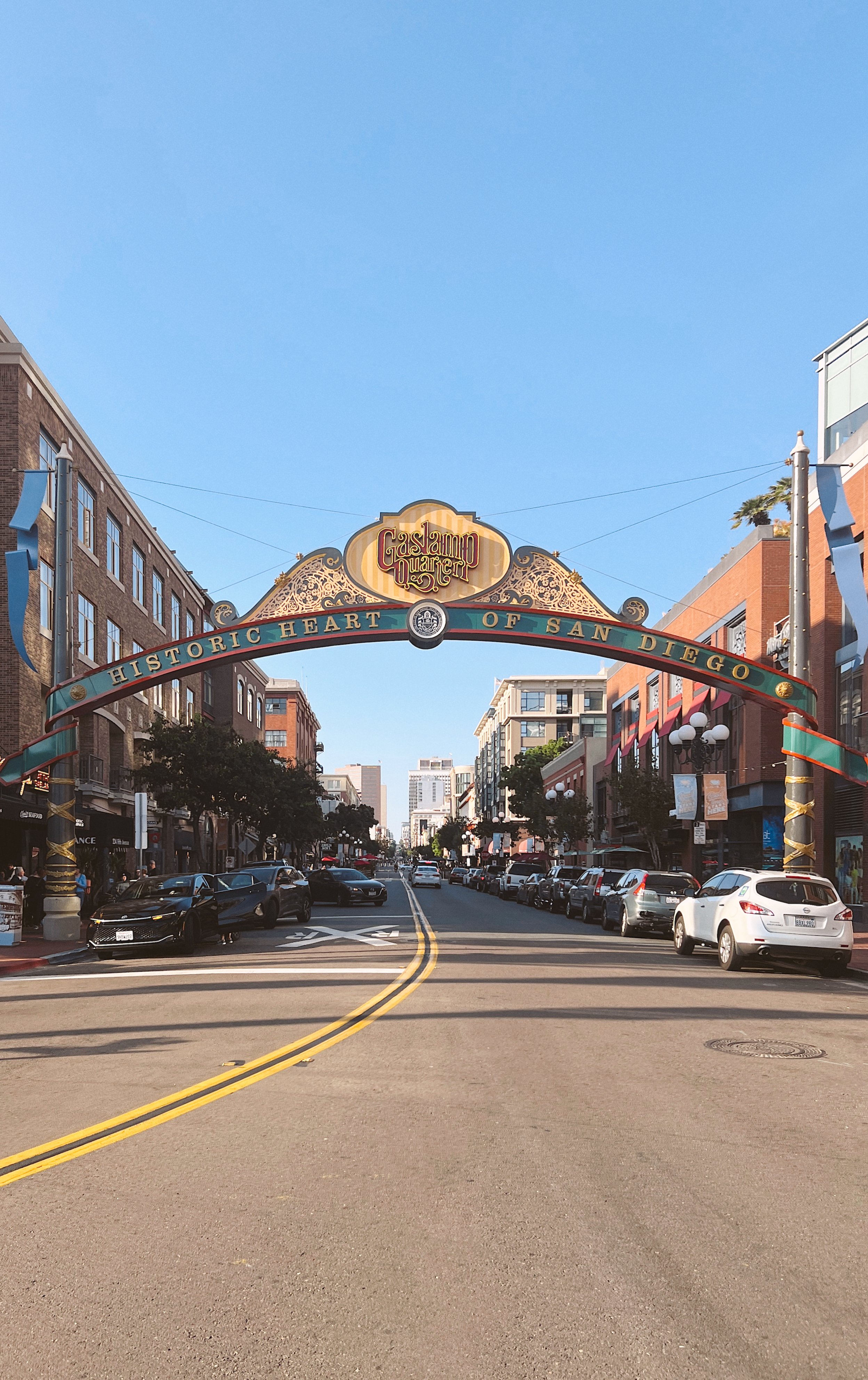
Don't miss the chance to explore the historic Gaslamp Quarter, where you can find a wide variety of culinary options. Explore the vibrant streets lined with restaurants, bars, and cafes offering diverse cuisines, from contemporary American fare to international flavors.
For those seeking a unique dining experience, head to Little Italy, where the aroma of freshly-made pasta fills the air. Savor classic Italian dishes in charming trattorias or sip on a glass of wine while enjoying the famous San Diego sunset.
Outdoor Adventures:
San Diego's year-round mild climate beckons outdoor enthusiasts to embrace its natural beauty. Start by basking in the sun on the pristine beaches, such as Coronado Beach and La Jolla Cove. Take a leisurely walk along the boardwalks, try your hand at surfing, or simply relax and enjoy the breathtaking coastal views.
Nature lovers will find solace in the Torrey Pines State Natural Reserve, where picturesque hiking trails guide you through stunning sandstone cliffs and rare Torrey Pine trees. Capture panoramic vistas of the coastline from the top and relish in the tranquility of this coastal paradise.
If you're seeking more thrills, head to Mission Bay and try your hand at watersports like kayaking, jet skiing, and paddleboarding. Embrace the refreshing ocean breeze and discover the vibrant marine life that San Diego is known for.
Final Thoughts:
So why should you be here right now? San Diego offers a world of wonders for every type of traveler. From its captivating history to its diverse culinary offerings and abundance of outdoor adventures, this city will never cease to amaze you. So, pack your bags, embark on a memorable journey, and let San Diego enchant you with its unique blend of culture, flavors, and natural beauty. You heard it here first.
📢 Commercial Office Properties: Understanding the Loss of Value 📉
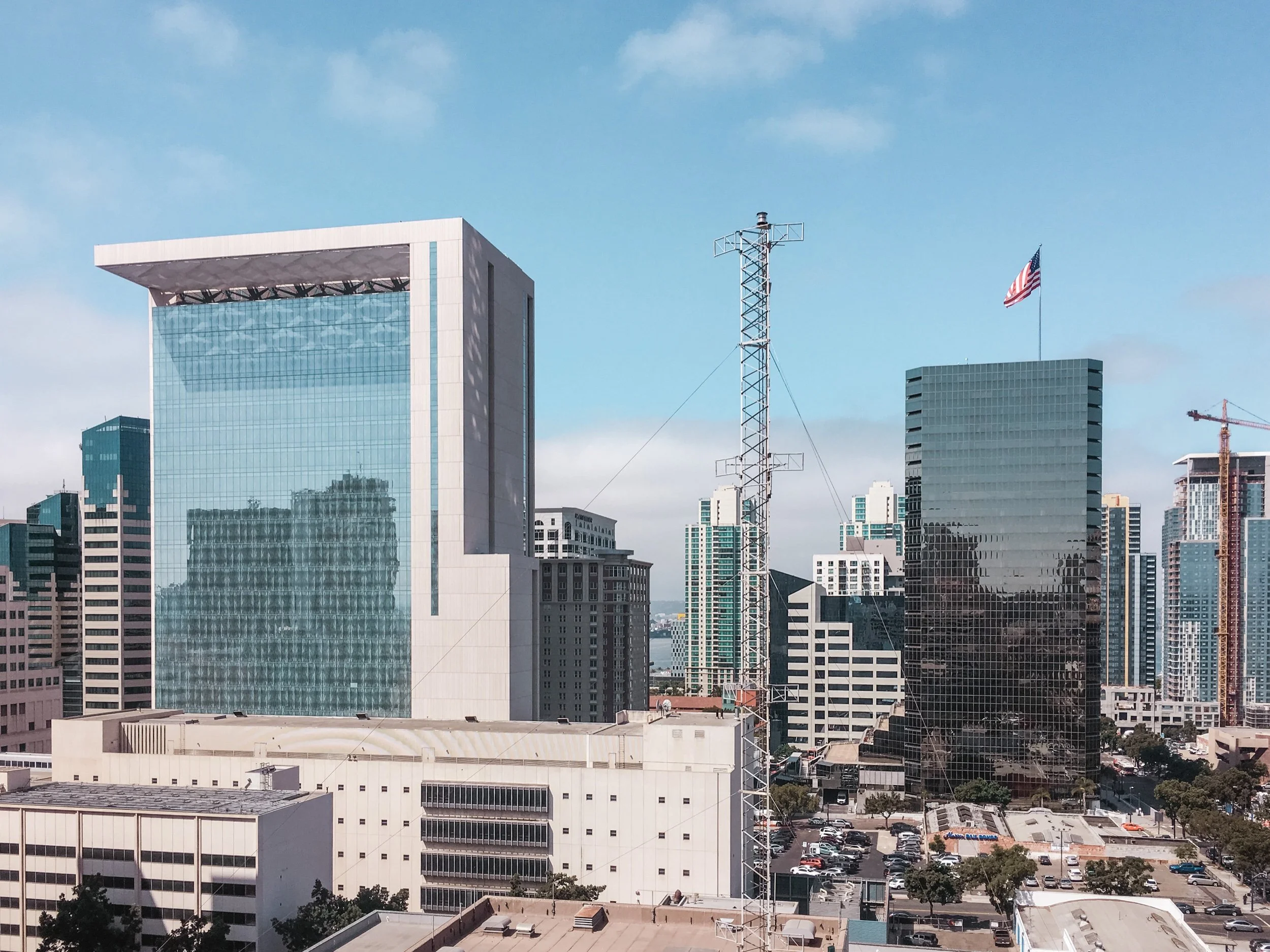
Recent transactions indicate a significant loss of value observed in commercial office properties. This trend, influenced by several factors, has sparked widespread discussion and analysis within the real estate industry. Today, we'll explore some of the key reasons behind this phenomenon.
1️⃣ Remote Work Revolution: The advent of remote work has undoubtedly played a crucial role in altering the dynamics of office spaces. The widespread acceptance and success of remote work during the pandemic have prompted many companies to adopt hybrid or fully remote work models. As a result, the demand for traditional office spaces has decreased, leading to a decline in their value.
2️⃣ Changing Workplace Preferences: The pandemic forced individuals and businesses alike to reassess their workplace preferences. Companies aiming for flexibility and cost optimization, have shifted towards smaller offices, shared workspaces, or even fully remote operations. Similarly, many employees have discovered the benefits of working from home, creating a preference for remote setups. This shift has impacted the demand and attractiveness of conventional office properties.
3️⃣ Technological Advancements: Advancements in technology and communication tools have eliminated the need for physical presence in the office. Video conferencing, collaboration software, and cloud computing have facilitated seamless remote work experiences, eroding the traditional reliance on office spaces.
4️⃣ Economic Uncertainty: The global economic downturn resulting from the pandemic has also affected the commercial real estate market. Many businesses faced financial challenges, downsizing or even closing their doors. This disruption has created a surplus of vacant office spaces, further contributing to the decline in their value.
5️⃣ Repurposing and Adaptive Reuse: In response to the changing landscape, property owners and investors have been exploring alternative uses for office buildings. Repurposing commercial office properties into residential units, hotels, or mixed-use spaces has gained traction to maximize value. While this trend promotes revitalization, it can also result in a surplus of available office properties, adding pressure to the market.
It's important to note that despite the current decline in value, the long-term future of commercial office properties remains uncertain. As businesses adapt and strategies evolve, there may be opportunities for these properties to regain their value. The ability to foster collaboration, networking, and creativity remains an essential aspect of physical workspaces.
Real estate investors and property owners are actively seeking innovative solutions to adapt to the changing needs of businesses and individuals. Whether through renovations, amenity enhancements, or redesigning existing spaces, the goal is to create appealing environments that align with the evolving demands of the workforce.
While the current loss of value in commercial office properties may present challenges, it also offers a chance for innovation and reinvention within the real estate industry. By embracing change and identifying new opportunities, stakeholders can navigate these uncertain times and shape the future of office space.

Will Life Science Revive Downtown San Diego?
With new Life Science developments approaching completion, will Downtown San Diego experience a renewed interest among businesses and young professionals?
Downtown San Diego's office market is set to receive the biggest wave of new inventory in over 20 years.
About 2.8 million square feet of newly-developed space scheduled to be delivered by 2024, increasing the total inventory by 19.3%.
These statistics don’t bode well for traditional office landlords, however they do look favorable for tenants looking to secure above market concessions in lease negotiations.
Historically, Downtown San Diego has been home to law firms, and personal service businesses but there is a new player in the mix. San Diego has cemented its position as the number three biotech hub in the country. Along with the new deliveries are: Campus at Horton, a 750,000-square-foot office and life science project — which includes an additional 300,000 square feet of retail and experiential space to deliver by the end of the year, the RaDD ("Research and Development District”) project, a 1.7 million-square-foot project boasting a mix of office, life science and retail space in the Marina district at San Diego's waterfront, and Genesis, a 203,000-square-foot building at Island Ave which leased a full floor (27,000 SF) to Endeavor BioMedicines. Downtown San Diego is positioning itself to become an important hub within a hub for life science tenants.
Additionally, the area also has a well-educated resident base filled with young professionals who are attracted to the cultural amenities, nightlife and walkability. According to an analysis completed by the Downtown San Diego Partnership and released in a report, “More than 41 percent of downtown’s 24,000 working residents are employed in occupations within management, business, science or the arts, which is around five percentage points greater than the rest of San Diego County.” And the “fastest growing occupation for downtown working residents within [those sectors] are life scientists.”
While traditional office leasing activity remains sluggish with the effects of the pandemic largely at the forefront, Life Science leasing may be the key to reviving spending and interest in the downtown neighborhoods. Downtown also has roughly 6.5 million square feet of space available for lease, or more than 38% of total inventory. That has led to the region’s highest vacancy rate of almost 25%. Available sublet space has also added pressure here, with more than 350,000 square feet available for sublease, more than double the average from 2016 through 2019. It should also be noted that downtown faces long-term challenges that few other areas of San Diego are forced deal with. It is beset by a growing population of homelessness that has led the city council and the mayor to discuss enforcing encroachment laws.
The lack of and high cost of parking also lead many firms to choose other locations.

San Diego Office Outlook - Lessons learned from Q1 2022
Accelerated demand for San Diego’s class A and B office inventory has had an effect on on vacancy rates coming into 2022. Expansion from local biotech firms absorbing vacant space with larger transactions requiring new construction are driving demand throughout Torrey Pines, Carmel Valley and Del Mar Heights.
Breakthrough Properties and Gemdale are building large lab campuses along the State Route 56 corridor that received pre-lease commitments totaling 850,000 square feet since the end of last year. BD Biosciences signed for 220,000 square feet at Torrey View and Neurocrine Biosciences leased roughly 630,000 square feet at Aperture Del Mar.
Alexandria Real Estate Equities pre-leased 430,000 square feet to Brisol Myers Squibb at the interchange of I-5 and I-805 at its Campus Point 4 building in Alexandria Point, where Amazon occupies more than 130,000 square feet.
Those large deals at upscale office properties have driven leasing during the first quarter in San Diego market to the highest quarterly total in more than 15 years, with over 2.5 million square feet of new leasing activity.
In turn, there has been a noticeable shift in where that activity is falling.
Historically, leasing in urban locations in San Diego have led volume. However, since 2019, demand has shifted to suburban areas of San Diego, where many firms are choosing to locate near where their workers live. The pandemic work-from-home and subsequent ‘hub and spoke’ model adopted by larger businesses to accommodate suburban employee bases continues to keep vacancy low in suburban submarkets north of Hwy-52.
Companies forecasting their office space needs for the next 12 - 24 months should expect rates to increase in suburban markets, and inventory to remain low. However, there are hidden opportunities to reduce occupancy cost in the urban markets, specifically downtown San Diego, where the sublease inventory is still high and large blocks of space sit vacant for longer.

Hotel Rooms and Offices Get New Life as Apartments
Two out of the three suffering commercial product types (office, retail, and hospitality) can be converted to a use with high demand, living spaces.
Let's discuss an interesting pivot I've been seeing.
Two out of the three suffering commercial product types (office, retail, and hospitality) can be converted to a use with high demand, living spaces.
Even in tourist havens like San Diego, hotels have been hit particularly hard. While most hotel rooms can only be converted into studios, Extended Stay operations usually have all the components of an apartment. With occupancy at historic lows, these properties may trade cheaply and implementing an affordable housing play makes sense.
Office buildings do not yet show the type of vacancy where their value decreases, however, the occupancy rates for the last 10 months have been hovering around 20% in metro areas. Whether tenants will return to the office in mass is yet to be seen, if they don't, expect to see office-to-multifamily conversions for older product.
Of course zoning restrictions may apply & cities may be reluctant to lose transit occupancy tax from hotel uses, but these conversions would most definitely benefit struggling retailers and restaurants in the neighborhood who desperately need the patronage.
That's my take, would love to hear what you think.

Why We Listen Before We Speak
Our clients and prospective clients have our undivided attention. After all, how can we truly serve them if we don’t know their “why”?
You can’t learn anything if you’re always talking.
Every business has a specific space need, learning about how they utilize space, and what role real estate plays in its business plan is crucial to being able to assist them.
Every investor has a portfolio strategy that requires expert analysis and execution.
You can’t service either type of client if you’re always talking about yourself.
Listening and asking questions to understand is the key to our business. Knowing a client’s “why” is more important than talking about your “how”.
It’s time we became problem solvers more than just deal makers.
Now, tell me what you’re looking for...

California stay-at-home order hurts Restaurant industry
To our hospitality friends:
WE ARE WITH YOU
Urging everyone in California to support all your local restaurants as they struggle through California’s new stay-at-home orders.
THINGS YOU CAN DO
1. Support your favorite restaurants that continue to operate outdoor service according to safe, CDC guidelines.
2. Buy GIFT CARDS from locally owned restaurants and give them out as holiday gifts.
3. When you order delivery, try and place your orders directly with the restaurant. Third-party apps take up to 30% of the value of the order. Let’s do what we can to give 100% of our support to the people creating our meals.
4. Share these tips with your friends and support the locally owned restaurants in your area.
This holiday season, let’s truly practice the act of giving.
#wereinthistogether #saverestaurants #ilovemycity

If you have any commercial leasing or purchasing questions call us ☎️ 858.356.2990 and Jamal will assist you.