
THE MORE YOU KNOW
THE BETTER YOU NEGOTIATE

San Diego Office Market Report Q3 2018

When considering purchasing or leasing office space in San Diego one of the most important steps you can take to start, is to understand the state of the local market. As a commercial real estate professional and one of the top San Diego tenant representatives I make it my priority to research this information for you.
Below is an overview of the commercial real estate transactions in America’s Finest City, San Diego.
Prominent Purchase Transactions of Q3 2018

*Information compiled through data provided at CoStar
Prominent Lease Transactions Q3 2018

*Information compiled through data provided at CoStar
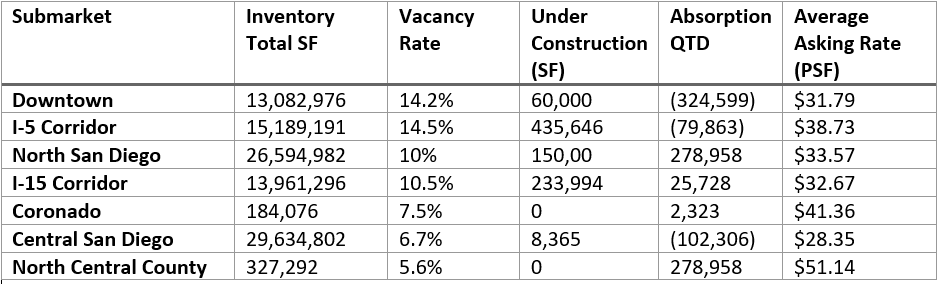
Commercial Office Space Report Q3 2018
Looking for a space for your business? Fill out the form below so we can help you get started on your search


Neighborhood Business Spotlight: 5th Ave Kitchen and Bar
HILLCREST & BANKERS HILL

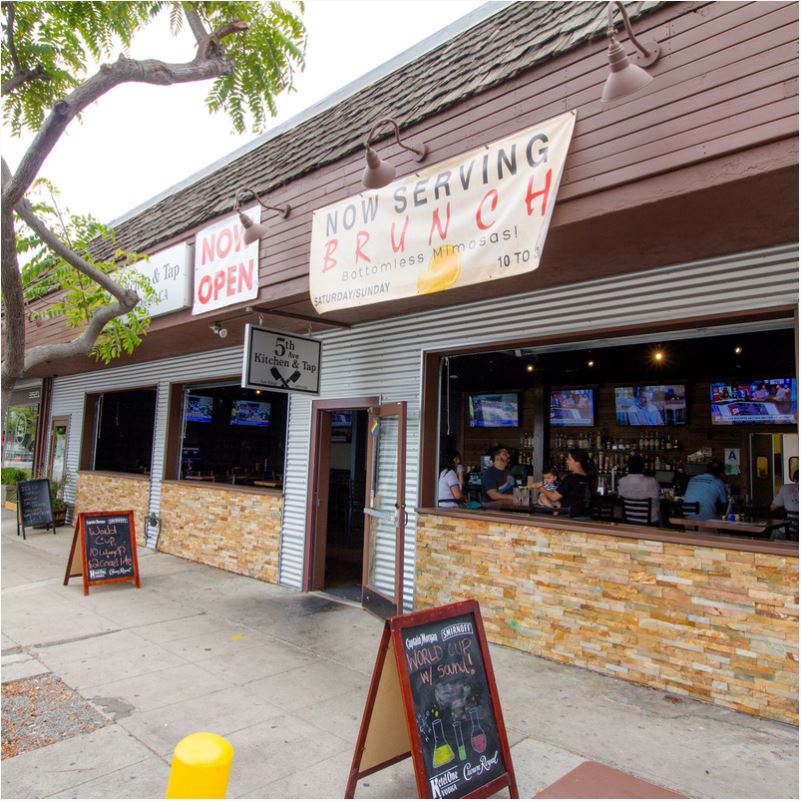
Inside bar of 5th Ave Kitchen & Tap, Featured drink Blackberry Margarita
To get a better idea of how any neighborhood operates, it’s always a good idea to go right to the source of local business and community. Business owners have their finger on the pulse of the community and can tell you first hand the advantages of certain neighborhood features. To better understand the neighborhood of Bankers Hill and Hillcrest for commercial business, we set out to find someone seeing success in this growing neighborhood.
This led us to interview and tour one of the newest and brightest establishments in the Bankers Hill/ Hillcrest neighborhood. 5th Ave Kitchen and Bar opened in early 2018 and has seen tremendous success in the neighborhood with both residents and other business owners.
5th ave Kitchen and Tap has placed themselves directly on the border of Hillcrest and Bankers hill in a neighborhood that is a mix of close knit community, visiting tourists and thriving business districts. Not only does the establishment offer a New Orleans influenced menu but the owner and managers and have made it a priority to be a part of the community. Block by block, reaching out to neighbors and business owners alike.
The business is situated on 5th avenue closest to Upas Street and has large retractable garage door windows that allow the beautiful San Diego breeze to enter the restaurant. The interior consists of ample bar and table seating in addition to 16 TV’s showing the latest sports games locally and nationally. We continued walking through the restaurant and arrived on the back patio which is easily the crowning jewel of this location. With open air, sparkling lights, bocce ball, and room for events of up to 100 people, this back patio invites community gatherings of all shapes and sizes.
Following our tour of the location we had an opportunity to sit with the Owner Andrew and the manager Renata to ask them more about their goals for 5th ave Kitchen & Tap.

Back Patio Event area at 5th Ave Kitchen & Tap
What do you like most about this location for your business?
One of the Biggest benefits to this area is that we border three really unique neighborhoods. We have Hillcrest to the North, Bankers Hill to the South and Balboa park to the East. Our establishment is right in the middle of all of that which diversifies our crowd.
What sets you apart from other eateries in the neighborhood?
When we opened this location we restyled our menu to have a fresh ingredient list with influences of New Orleans style food. I take a lot of time to create food that everyone can enjoy. We cater to such a diverse crowd its important to have something for everyone. Our patio is also an added bonus to this location. We have room for 100 person events out here and we can even make the space private for the events. This community ranges in demographic so widely but everyone has a place here. This restaurant is really a hidden gem of the neighborhood.

What sort of specials do you offer?
We have a daily happy hour that offers drink specials and discounted appetizers. We also have weekly football specials with unique New Orleans inspired food. This has become sort of a hub for Saints fans in the region so we cater to the crowd on those days. The San Diego WHO DATS have made this a frequent gameday watch spot so we make sure there are plenty of good eats to go with it.

What do you want people to know about 5th Ave Kitchen and Tap?
We designed this location to be open to the neighborhood so the retractable garage door windows really invite people inside. We were able to give this location a face lift and really make it stand out when we decided to open the business here, which is also important because it adds to the thriving neighborhood. We really love being in this community. Everyday we see neighbors we know, greet other business owners at lunch time or happy hour, and get to expand on our already growing customer base. It really works because we have been active in our local neighborhood and we are not just another store front. We had options in other neighborhoods to open but ultimately chose this location because of the thriving community around every corner.
I’m also really proud of our cuisine. Handpicking ingredients and making sure that everything is fresh and made to order was a big priority for me when designing this menu. The Cajun style burgers and po’boy sandwiches are some of my favorite items we make.

Your back patio is a great area for events, what sort of events to you host here?
We’ve spent a lot of time making this patio space inviting and ready for events. We have hosted birthday parties, dog rescue events, football team fundraisers and even drag queen bingo. We don’t charge an event space rental and for every event we create a unique menu and have full bar options. I think that really opens up the range of who likes to hold events here. We are so close to so many business districts so it also makes this space a great location for corporate mixers and happy hours. We want everyone to feel invited to hold an event here so we go out of our way to make every event a success.

What would you say to another business owner looking to open a store front or business here?
This community is growing. There are so many residential housing developments within walking distance and the foot traffic seems to increase by the day. The local average range of income has increased over 25k in the last three years alone and will likely continue to rise. Outside of the residential community, the business community is welcoming and very focused on working together to help each other out. We sponsor each other in fundraisers, host events and all support each other at local business owner events. There can sometimes be misconceptions about the demographic here and what I want people to know is that there isn’t just one type of person in this area. There’s the lifelong residents, business owners and operators, the LGBT community and a lot of families too. The opportunity is endless. If someone wants to open a business, this is definitely the San Diego neighborhood to do it.

What are your favorite things on the menu? What should people definitely not miss when visiting your location?
There are so many items to chose from but I definitely have to say our Shrimp Po Boy sandwich and our Southern Gentleman burger. Both are made in traditional Cajun styles and really bring a taste of home into our menu. I’d also suggest whatever seasonal and shareable specials we have available because they are made fresh to order and are unique every week.
We get a lot of rave reviews about our wings too. They are flash fried and come with a variation of sauces. The BBQ sauce we offer with our wings is made locally in Oceanside, That Boy Good BBQ sauce. As a joke the owner gave me the recipe without the measurements to let me try to get the recipe right. After several attempts I gave up and now we have his sauce offered in house. We also make several other sauces right here in the restaurant so they add that special flavor to every batch.
If there’s any room left for dessert I’d suggest ending the meal with the White Chocolate Bread pudding. Every time we serve it there’s nothing left when we return for the plate. Our desserts are also seasonal so we can stay with the freshest ingredients but right now that’s my favorite.
If you are interested in learning more about the neighborhood send us an email or stop on in to visit 5th Ave Kitchen & Tap. They’ll roll out the red carpet and make you feel right at home!
Hillcrest and Bankers Hill commercial real estate valuable information
If you are looking to expand your current business location or even open a new store front, check out all the details on this quickly rising community in the heart of San Diego.
Total Vacancy Rate for Class A commercial space: 25.3%, up a total of 5% in the last quarter
Hillcrest is the 16th most walkable neighborhood in San Diego with a Walk Score of 81
In the heart of San Diego this neighborhood is easily accessible to the I5 and I163 freeways
City planners have recently increased the building height limit in this section of San Diego to 100 feet, allowing for commercial growth while keeping a neighborhood feel.
Much of the available space is street level, allowing foot traffic to be a driving factor in business growth
Rental rates are comparable to many other business districts such as UTC, Downtown and Del Mar Heights. This sub section of the city can often be viewed as under priced for the area allowing more creative business entities to rent commercial space

What I Wish Business Owners Knew About Leasing Commercial Real Estate

When running a business one of the key things to think about for long term survival is your bottom line. If you’ve spent any time evaluating a profit and loss report one of the biggest expenses is generally space rental.
I’ve spent years in the commercial real estate industry and today I’m sharing with you the biggest pieces of information that I wish business owners knew before entering into a lease for a commercial space.
Leasing commercial real estate is a process
Entering into the commercial real estate realm is a process. Keep these 5 key steps in mind before beginning the process.
Planning phase
Understand where you are in the business cycle and how far in advance you can reasonably predict your space needs. This is usually done internally or with the assistance of your tenant representation agent’s team including a space planner.
Site Selection
requires around two to three weeks of research as your tenant representative compiles all the available and upcoming spaces that could work for your needs. Once you’ve had a chance to review the options and selected a short list of potential matches, your tenant rep schedules property visits where your team can get a feel for the property, and surrounding area.
Negotiation
Your top two to three choices must be negotiated with simultaneously to achieve the best economic package. This can take anywhere from 1 to 3 months as the six financial components of the lease are negotiated across various rounds of offers. During this time an architectural drawing (space plan) is completed and agreed upon.
Documentation
Once your business selects a location and signs a letter of intent, the landlord’s attorney must create a preliminary draft of the lease (1 – 2 weeks) which must then be reviewed and often altered. Alterations to the language in the lease are negotiated between the tenant’s attorney and the landlord’s attorney, which can take two to four weeks. During this time the tenant’s financials are reviewed by the landlord, and any concerns with the tenant’s financial health are discussed.
Tenant Build out
Construction drawings are made from the agreed upon space plan, then sent through the city planning department who issues permits. If the tenant is selecting contractors and controlling the build-out (strongly recommended) their team will create a construction time-line for completion. Depending upon size of the space and the degree of work to be completed the construction time-line could be as long as three months.

Landlord’s are in the business of making money through renting space
Whether you’re a new tenant deciding to lease space or an existing tenant who enjoys a good relationship with your landlord or property manager, do not negotiate your facility lease directly without representation.
This isn’t buying a car, landlords are in the business of real estate and have resources and information you don’t. Your company’s 2nd or 3rd largest expense is facility spend, and negotiating a multi-year facility contract without examining your options or knowledge of the marketplace puts your business at a disadvantage.
I spent five years as a property manager for large, national property ownership groups as well as small local investors and one thing they share in common is hoping they can capture your tenancy at the highest possible rent without having to make concessions in the process. Your relationship with any landlord is always a business relationship, level the playing field by hiring a professional that will educate you with the information your landlord is withholding.

Hire a tenant representative
You wouldn’t hire an attorney to represent you if they represented your adversary in a legal dispute. Why allow a brokerage firm to represent your company in negotiations if the majority of their business is representing landlords and their interests?
Just because a full service brokerage has a ‘tenant rep’ team, doesn’t mean they are free of conflict. They sit in the same company meetings as the landlord representatives who share details of your lease. They are also under pressure from their co-workers and management to ‘bring them a deal’ which means your best interests aren’t upheld.
A tenant-only brokerage has no allegiance to the landlord community and only negotiates terms and conditions that achieve your goals, regardless of which properties are under consideration. The best part is that your tenant representation comes at no cost to you.
Let’s be serious, your companies rent revenue is paying for your landlord’s mortgage, property taxes, property maintenance and insurance. It also pays for the landlord’s agent fees. Having someone on your side is not only smart, it will save you money. A pure tenant representation agent takes part of the fee the landlord pays their agent, which would be paid to them regardless if you had someone on your side or not.

Not all buildings are created equal
While there may be striking similarities between the look and type of amenities of many buildings, there are very important differences to consider when selecting a location.
See our blog post about the difference between a property’s rentable and usable square footage before you select one site over another.

Your space is a reflection of culture. It can be used to recruit talent
Want to attract top talent and keep them? Create the type of space which showcases your company’s unique offerings and capabilities during the leasing process.
Design your ideal space and negotiate a tenant improvement package that will bring your vision to life. When done correctly, your space will encourage collaboration, and benefit from an increase in output while becoming one of the top places to work
Want to learn more about leasing a commercial space? Work with our team of professionals to help you locate your ideal space in Southern California. We are a tenant only representation company and can help you navigate each of these key things in your process.
Leave us a question in the comments or click the link below to start the process of looking for a space that exceeds your expectations

Here's what is going on Downtown San Diego

Downtown is the most dynamic neighborhood in San Diego, and multiple changes to the skyline are on the horizon. Here are some of the planned developments around town residents and businesses are keeping an eye on.
Little Italy

Rendering of 2100 Kettner
Amid all the bustling restaurants, bars and tasting rooms, Little Italy has a planned 163,000 square foot mixed-use building which is sure to bring more attention to San Diego’s hottest district. Later this year construction is slated to begin on this office/retail project which features high ceiling, indoor-outdoor retail spaces which can be delivered by December 2020. The Kilroy Realty project also takes advantage of the Little Italy’s scenery and also offers outdoor work-spaces and lounge areas. The eclectic brick and steel construction will fit right into the neighborhood and should attract many companies whose workforce will value the many amenities in the neighborhood. 2100 Kettner’s office space is scheduled to be delivered March of 2020, and will include underground parking at 1.5 spaces/1,000 square feet; a higher ratio than many Downtown competitors.
Columbia District

Rendering of Pacific Gateway
Manchester’s Pacific Gateway, a $1.5 Billion redevelopment of 12 acres of land along San Diego’s waterfront has broken ground and is scheduled to be complete by 2021. This seven building complex will also feature a 4.5 acre open space park and 1.1 million square feet of office space, almost 400,000 square feet of retail/restaurant space and 2400 subterranean parking spaces.

Rendering of Portside Pier courtesy of Tucker Sadler
Portside Pier is underway following the demolition of Anthony’s Fish Grotto, a longtime San Diego institution. In its place will be a two story, 42,000 square foot structure and promenade with a viewing deck and a 12 boat dock-and-dine facility allowing boaters to access the project’s future restaurants: Brigantine on the Bay, Miguel’s Cocina, Ketch Grill & Taps and Portside Coffee & Gelato. The project is expected to open in late 2019.
Marina District

Rendering of Seaport Village
Redevelopment of Seaport Village, slated to begin by 2022, is still meandering through planning stages with the Port District. The 70 acre site has plans to become a mixed use project including a 5 star 237 room hotel (367,964 square feet), office spaces (144,987 square feet) , a 237 room hostel, a learning center (65,150 square feet), a 480 foot observation tower and even an 192,050 square foot aquarium. This project has the potential to drastically change the future of San Diego’s skyline and the way tourists interact with the Marina district.
Gaslamp District

Rendering of 777 Front courtesey of Bosa Development
The big news here is the sale and future redevelopment of Horton Plaza and 777 Front Street. Stockdale Capital Partners are in escrow (their money has gone non-refundable) to buy the aging retail project with the plan to remove part of the structure and build a modern 900,000 square foot office building. The remaining retail space will be reconfigured and refinished for a more enjoyable shopping experience. Bosa Properties plans to convert the adjacent outdated retail building at 777 Front Street into an 162,000 square foot creative office project with an attractive glass and steel aesthetic. Hoping to capitalize on the wave of reorganization led by many of their multi-family projects downtown, Bosa’s latest project will cater to technology companies and will have a fitness center, courtyard with seating, gaming and other amenities. Interior demolition has already begun and delivery is slated for late 2019.
East Village

The most active development area in Downtown San Diego, East Village has office, retail, and multi-family projects in every stage of construction. Out of the 2,900 multi-family projects in the works, many of them are in East Village and include affordable housing options like Affirmed’s project on 17th St, Chelsea’s project on 13th St., and Nook East Village’s micro-apartments. New retail projects like PunchBowl Social and public spaces planned by Makers Quarter will increase demand for the area and support greater shopping and restaurant operations.

Hotel development is also underway with the Ritz Carlton, San Diego’s first five-star hotel. Along with the 160 room hospitality offering, the Ritz will sell market rate residences and low-income rental units on opposite sides of the hotel. Bordered by 7th and 8th avenues & Market and Island the project should be complete by early 2022 and include 156,000 square feet of office space.

UCSD’s downtown facility, currently underway, is located between Park and 11th, and Market and G Street. The 34 story apartment will contain 426 apartments, an amphitheater, a four story (66,000 square feet) USCD building and leave The Historic Remen House at the corner. This facility will bring together business, art and community groups as well as faculty and students. Delivery of the project scheduled completion in early 2021 with the hope that concerts, art exhibits and seminars will be open to the public by summer 2021.
Jamal Brown is the CEO of The Ocean Company, an exclusive tenant representation firm with offices in San Diego, Orange County and Los Angeles focusing on the leasing and acquisition of commercial real estate.

Downtown San Diego is Booming: Here's Why
Downtown San Diego’s many new developments are attracting millennial residents, technology businesses, and changing the way the downtown sub-market is viewed.
By Ellen Paris contributor for Forbes
Downtown San Diego is booming with residential and commercial development. No longer is it the once sleepy navy town boasting the best climate in the country. The weather remains beautiful year-round while the city has reinvented itself as a dynamic place to live, work and play.
The Downtown San Diego Partnership’s numbers confirm this. There are more than 37,000 residents, 81,000 employees and 4,000 businesses downtown currently. In addition, more than 120 tech and innovation startups call downtown home.
When Petco Park, home to the San Diego Padres, opened in 2004, development near the ballpark hit the fast track. Fast forward to late 2008 and 2009 when projects in development and the planning stages came to a halt. That has all changed.
Today, streets from the Gaslamp to the East Village to Little Italy are alive with happy people, trendy restaurants, craft breweries, coffee houses, yoga studios and eclectic shops. The vibe is young and lively as people and their dogs enjoy the downtown lifestyle. Locals joke there are more dogs living downtown than children.
Listen to David Graham, deputy chief operating officer, City of San Diego: “We have actually been planning for a vibrant downtown for years. It began with Horton Plaza in the '80s. The live/work lifestyle is built into our development plans. We are planning for 90,000 residents in downtown by 2035.”
Around 41% of downtown’s population are Millennials and 21% Gen X. Olga Moreno, account director at Crowe PR in the East Village, lives and works downtown. “I love walking to my office in ten minutes while enjoying the beautiful weather,” said Moreno, who rents an apartment in the Marina neighborhood. “At this point, many of my friends also live downtown, which is really fun and allows me to spend a lot of quality time with them on weekends,” she adds.
At the end of 2017, a downtown development status report by Civic San Diego said there were 25 projects under construction. This included more than 4,500 apartments, four hotels with a total of 863 rooms and 257,000 square feet of retail space. Looking at “Projects Pending Construction," it is clear downtown’s residential growth remains strong. An additional 4,138 apartments have permit approval.
Nat Bosa, a major downtown developer and founder of Bosa Development, owns a significant number of downtown development sites. “This development cycle has been driven by rental product to meet the demand of the growing demographics of Millennials who choose to live and work downtown.”
"Downtown is a vibrant young community attracting both people and companies. It’s a city that is sustainable, mobile and smart. This is what a city should be to attract both residents and companies to propel growth,” Graham explains.
Hayley Kerr, originally from New York, moved to downtown two years ago from Los Angeles. She rents just north of the much-in-demand East Village neighborhood. “I love that I barely use a car. I walk to work, the gym, restaurants, bars, Balboa Park, the waterfront, Little Italy and Padres' games.”
San Diego is not a city of concrete canyons. Planned into downtown’s growth are multiple parks, open spaces and pocket parks welcoming residents, workers and visitors. Community calendars offer a variety of free outdoor events including yoga, concerts and movies. “Our plans have always focused on creating a living, breathing vibrant place for all to be a part of,” Graham adds.
Another plus for downtown: It’s one of a few large urban cities with an accessible international airport located downtown. Move to downtown and ditch your car since getting around there is easy and often free. The Free Ride “FRED,” which launched almost two years ago, is a downtown shuttle service of all-electric vehicles people can access via a mobile app.
Daniel Reeves, president at Juniper Strategic Advisory, has spent six years working on the city’s economic development and public policy issues. “It’s pretty exciting times with the current redevelopment projects for Horton Plaza and Seaport Village. These are massive opportunities for large-scale revitalization in line with what Petco Park and the Convention Center did for downtown’s economic development,” said Reeves.
Beau Hodson, founder of Transparent Mortgage, specializes in residential lending in the downtown market. “People are starting careers here and this is where they want to live. I also see affordability in the San Diego downtown market compared to San Francisco or Los Angeles, which is fueling the growth.”
San Diego is a city with a lot going for it. The planned growth of downtown will only boost its popularity among desirable American cities to live, work and play in.

Manchester Transforms The Marina
Demolition on the Navy Broadway complex is almost complete which means construction is soon to start on Doug Manchester’s seaside masterpiece aptly named Pacific Gateway. When complete, this 17 acre mixed-use development will include the U.S. Navy’s headquarters, four office buildings totaling approx. 320,000 SF, exterior deck spaces, an athletic center, a 1.9 acre park and over 320,000 SF of retail and cultural amenities.
Sure to change the experience of locals and tourists alike, Pacific Gateway will re-imagine the Marina district and invigorate an otherwise sleepy side of downtown San Diego. Should the city of San Diego be sagacious enough to expand its dated convention center and keep tourist income pouring into the city, it will benefit from Pacific Gateway’s two planned hotels: one glass walled, 11-story luxury boutique with 260 rooms; and a larger, 28-story convention hotel with 1,090 rooms.
Retailers are already salivating at the chance to occupy space in the new development, as the Marina district is adjacent to the harbor and its weekly cruise ship tourists, and the airport. The eight block development is scheduled to open all at once, in grand style, at its scheduled completion in 2020.
How To Convert a Warehouse into Office Space
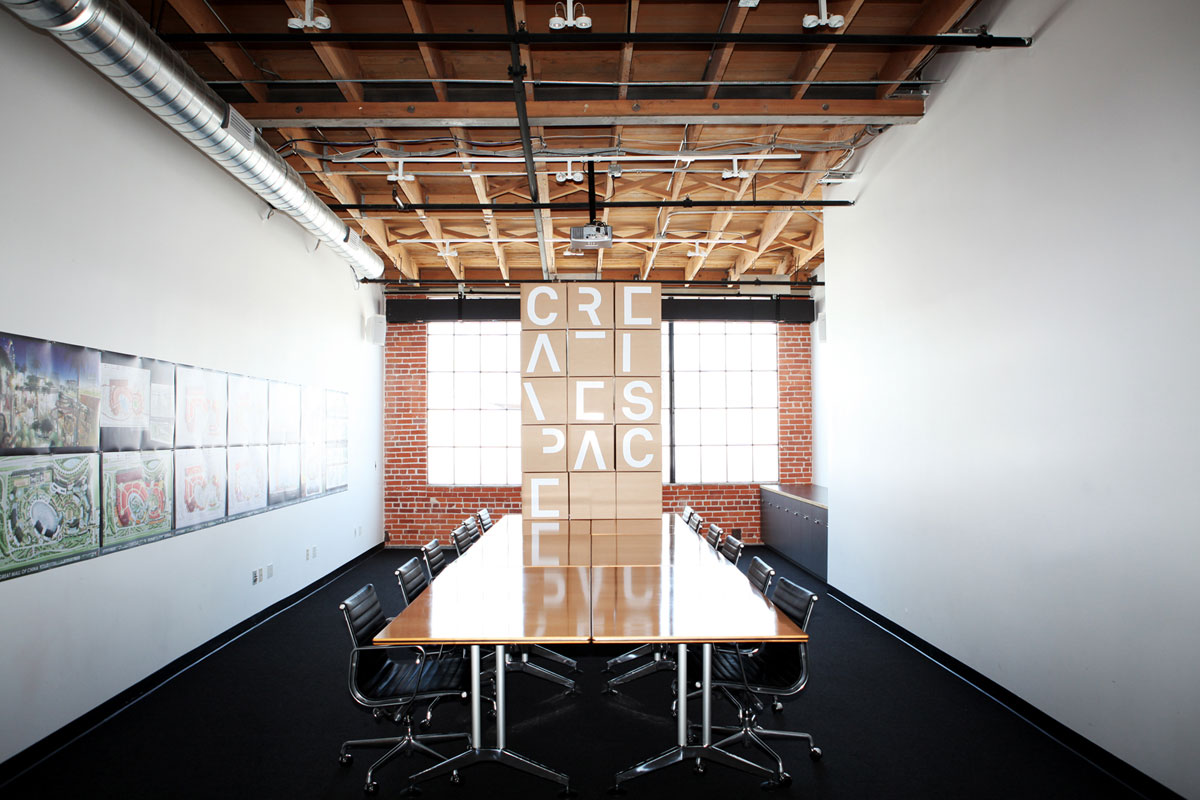
Many small businesses and startups are being choked by rising commercial real estate pricing. Rents are currently at or above pre-recession prices, making companies choose between their facilities, or expanding their business. There are options out there for users of office space who want "cool" or creative work-spaces, and we wanted to share one with you. Converting industrial warehouse space into a usable office work-space is achievable with a few minor changes. The two items which need the most attention are climate control, and light. Adding some sort of cooling air circulation will greatly change the atmosphere of a warehouse work environment. Replacing solid doors with glass and reducing the number of walls within the entire space will allow more ambient light to flow through the work space.
Understanding 'Rentable' vs. 'Usable' Square Feet
All commercial buildings are not created equal. This is evident upon inspection of multiple factors; location, allocated parking, quality of construction, and amenities provided, just to name a few. But one of the most overlooked aspects of a building’s value to the tenant is the efficiency of that particular building when compared to another. This efficiency is in relation to the ratio of the space the tenant actually leases within their four walls (the usable square footage) and the amount of space attributed to all common areas of the building including the lobby, hallways, restrooms, common conference rooms, common kitchen areas, interior break areas, work out buildings, showers/lockers, phone and electrical rooms, and any other common use area that, when added to the usable square footage, makes up the rentable square footage. This ratio is called the building “core factor” (also referred to as “load factor”, “loss factor”, or “add-on factor”). Landlords are ensured of receiving income on this common space so it is distributed to each tenant as an “add on” to their usable square footage that then totals the tenant’s rentable square footage and this is what the rent is based on. The difference in a building’s efficiency and therefor the core factor can quickly offset a lower base rent per square foot that building may have over another. Core factors can vary by as much as 10% to 15% and many times they are “artificial” as in, implemented by the landlord with no confirmation. This becomes a marketing ploy, to offer a lower rent when, in reality, the end result is substantially more than other competing buildings with greater efficiency. We find that in many cases tenants, who have existed under leases for many years, still don’t understand this issue today.
Buildings calculate all space that is constructed as gross square footage. The standard of commercial property measurement (“BOMA”) then requires that all vertical penetrations (stairwells and elevator shafts) be deducted from the gross square footage and the remaining square footage is the rentable square footage. When a company negotiates a lease on commercial space, they are occupying the usable square footage which is the square footage within their four walls but paying for the rentable square footage, including their share of the common areas referenced above.
Understanding core factors translates directly to the bottom line. Since building costs are typically near the top of the expense list, the savings can be dramatic in comparison to other expenses. Pay attention to the core factor. The example below puts numbers to the story:
XYZ Company needs 30,000 square feet of usable space to operate their business and is evaluating two opportunities. Building A has a core factor of 19% (1.19) and Building B has a core factor of 11% (1.11). Both buildings are offering the same rental rate, say $2.00 per rentable square foot. In this scenario, XYZ Company has a choice of leasing 35,700 rentable square feet in Building A, at a monthly rent of $71,400, or leasing a more efficient 33,300 rentable square feet in Building B, at a monthly rent of $66,600 per month. Calculating the difference in XYZ Company’s rental costs, they will save $288,000 over a five year lease term if they locate in Building B for the same amount of usable square footage.
This is one of many pitfalls that can be costly if not known by companies leasing commercial space. Don’t get caught paying more than you should. Hire a broker to help you. It doesn’t cost you a dime but the savings can be extraordinary.
Utilities Rates To Increase Occupancy Costs
The City of San Diego's water department recently proposed large rate increases for commercial property through 2019. The increased rates are currently being reviewed, but San Diego businesses will feel the impact should they be implemented.
Public Utilities Department Rate Increase Proposal Factsheet
The Public Utilities Department is proposing a series of water rate increases. These increases will have to be approved by City Council and, until they are, nothing is official. The proposed increases are:
• 9.8 % beginning January 1, 2016
• 6.9 % beginning July 1, 2016
• 6.9 % beginning July 1, 2017
• 5.0 % beginning July 1, 2018
• 7.0 % beginning July 1, 2019
The percentages represent the overall amount of increase to the Public Utilities Department. Each customer’s exact increase will vary depending on customer class and amount of water used. A single-family customer using 12 HCF a month will see their bill go from $70.81 a month to $77.27 a month.
The Public Utilities Department conducted an extensive Cost of Service Study to determine the amount of the proposed rate increases. The Study:
• Determined the Public Utilities’ revenue requirements to purchase and deliver water to our customers;
• Reviewed financial requirements for the upcoming five years;
• Recommended water rate increases through 2019.
The reasons for the proposed rate increases are:
• Increased cost of water sold to us by the County Water Authority;
• To help pay for the new desalination plant in Carlsbad;
• To help pay for the Pure Water Program;
• To make up the difference in the budget due to decreased water sales because of the water use restrictions mandated by the State because of the drought.
The Public Utilities Department will appear before the City Council’s Environment Committee on August 5 to present the proposed rates. The Committee will be asked to forward the rates to the full City Council. If they do so, the City Council will be asked to approve a Notice that will be mailed to every customer explaining the proposed rate increases and allowing customers to protest the proposed rates.
The Notice, which is required under Proposition 218, must be mailed at least 45 days prior to the City Council approving the proposed rates. The Council will be asked at its November 17 meeting to approve the new rates. If they do so the first increase will go into effect January 1.
In addition to the rate increases for potable water, the Department is asking that the recycled water rate go from 80 cents and HCF (748 gallons) to $1.73 per HCF. This increase will pay for the ongoing costs of operating the system as the recycled water rate has not gone up since 2001. There are no planned increases in Wastewater rates.
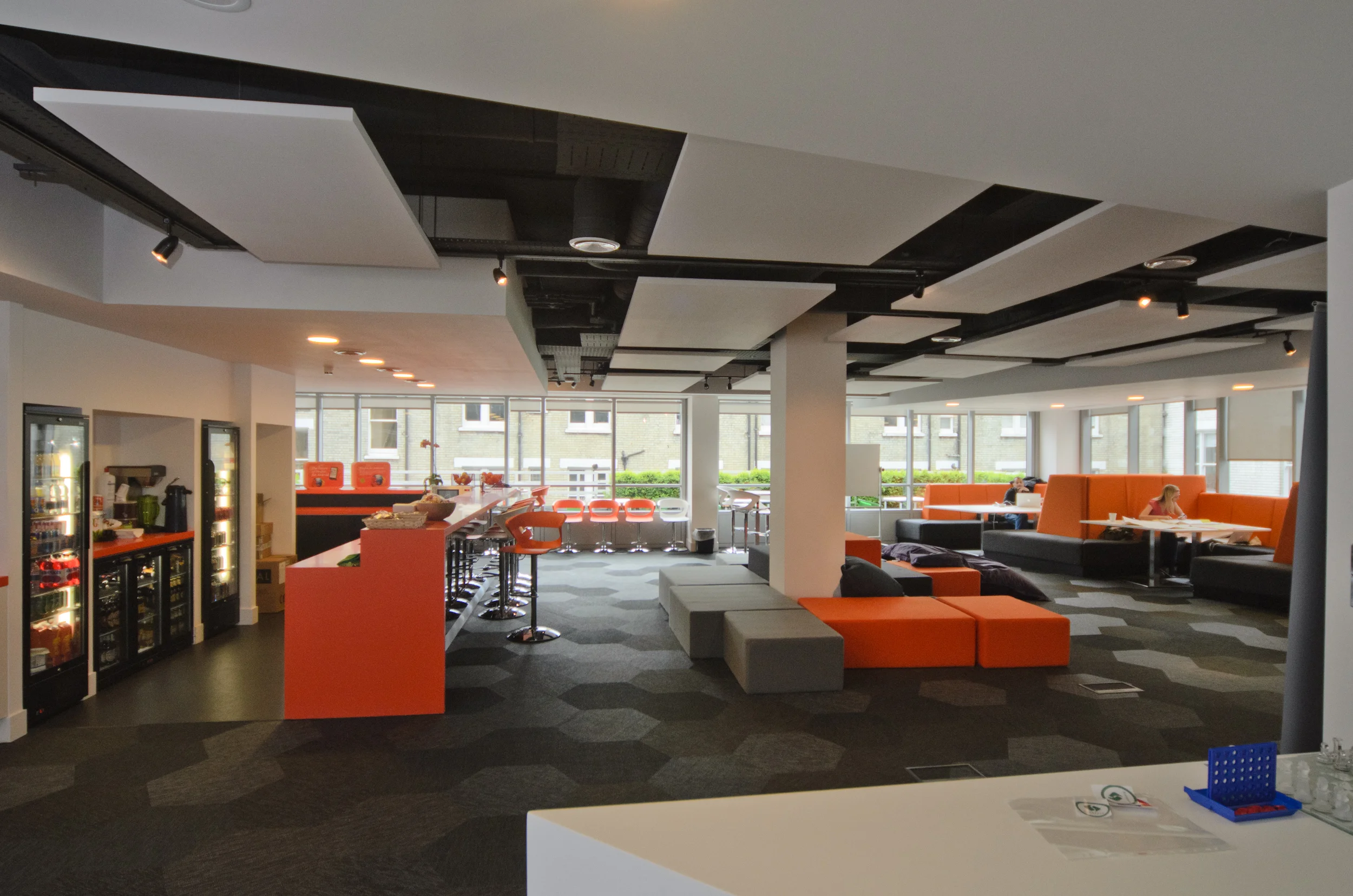
Office properties will pass the increased costs though to their tenants annually, resulting in higher common area maintenance fees in 2016 and beyond. The magnitude of these increases depends on your lease's Base Year for operating expense calculations. Unfortunately, landlords do not classify government mandated utilities rates as "controllable" expenses, and even if your lease has a cap on operating expense increases, the proposed water rate increases will effect your future occupancy cost.
Industrial, retail, medical office and R&D (that means you Life Science/Biotech tenants) properties which have tenants on triple-net (NNN) leases pass increased operating expense costs through to their tenants directly. Tenants with this type of lease have greater exposure to volatile fluctuation in building maintenance costs, property insurance and property taxes than their traditional office counterparts. The industries which consume greater amounts of water, craft breweries for instance, will see a hike in their occupancy costs as soon as the rate increases are implemented.
At the time this was written, no rate increase has been approved. San Diego's business community still has the opportunity to make its voice heard.
The Ocean company is a commercial tenant advisory serving the business community of San Diego. We specialize in facility negotiations, forensic lease audit and project management for our neighbors.
Finding Your First Office Space
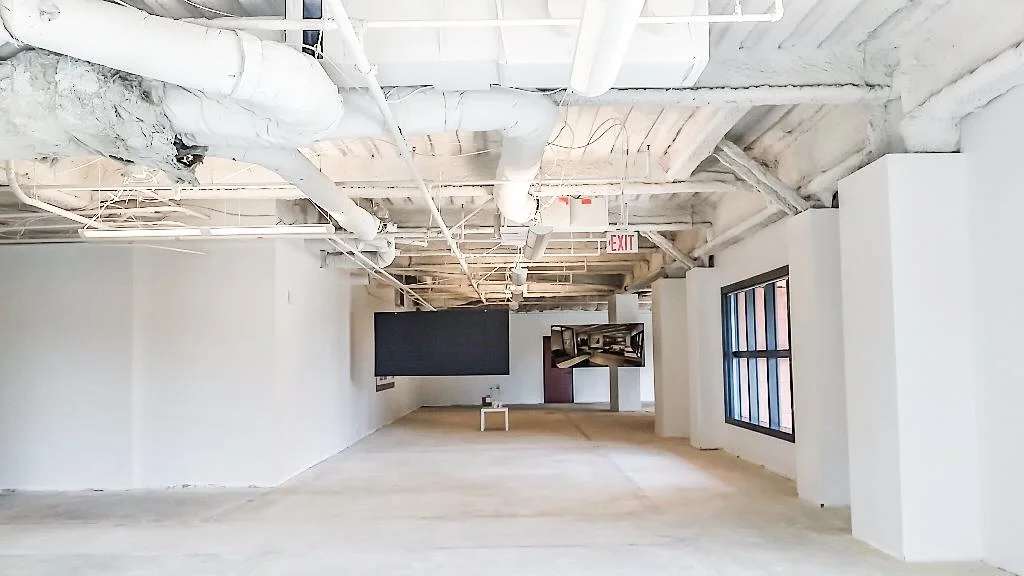
Congratulations, business is good and you’re ready to open your first office! Now what? Startup companies that reach the point of needing an office location should examine all of their options before committing to office space. The toughest part of choosing that first office is knowing what criteria to base your decision on. Keep in mind that real estate costs are typically the second or third greatest expense on a company balance sheet, and many companies stay the red because they carry more facility related overhead than necessary.
Congratulations, business is good and you’re ready to open your first office! Now what?
Startup companies that reach the point of needing an office location should examine all of their options before committing to office space. The toughest part of choosing that first office is knowing what criteria to base your decision on. Keep in mind that real estate costs are typically the second or third largest expense on a company balance sheet, and many companies remain in the red because they carry more facility related overhead than necessary. Our suggestion for startup and small businesses looking for space is to keep three specific criteria in mind:
1. How much space do we really need for the foreseeable future?
2. Does the location or visibility of a space help our company generate more revenue?
3. How important is flexibility in the lease of any space we pursue?
Entrepreneurs who have reached this point need to be wary of how they approach leasing space. For example, many take on more space than the business requires, sign leases that have a longer term than necessary, or fail to negotiate adequate concessions, and protective clauses, during negotiations. Others sign up with executive office suite operators without realizing that the premium they are paying for space there could get them larger, or more desirable space somewhere else. Co-working spaces have a similar model to executive suite operators, but are typically more flexible when it comes to paying for space. If your business doesn’t yet require you to be in the space on a day-to-day basis, this option could be for you. Our advice to most young companies is to scout the market for space listed for sublease before engaging with the afore mentioned options. Subleased space often comes at a hefty discount from what the master tenant is paying the building owner. These spaces can come furnished, and typically have less than three years of term on them. Sometimes, a sublessor will even allow your business to sublease for a shorter term than what’s remaining on the master lease. Finally, subleases are an agreement to lease space with the master tenant, and although the landlord must approve them, can often be attained without using the business owner’s personal wealth and assets as collateral should the business become incapable of meeting its debts.
Startups and small businesses looking for space should hire an active tenant representative who understands their needs. The Ocean Company has assisted many young companies in securing their first spaces, and negotiates the best possible lease with your objectives in mind.

Urbanization's Effect on Commercial Real Estate
The great recession killed the suburbs. Since 2007, metropolitan cities across the country have experienced a migration of residents towards urban living environments. This trend could be the answer to urban decay, with many seeking more fiscally practical and cohesive living arrangements. Referred to as "re-urbanization", the trend is the opportunity San Diego needs to return neglected areas of downtown to their former prestige. Large adaptive reuse and infill projects have gained traction from Little Italy to East Village, including dynamic public spaces, but it will require buy-in from local employers before the transformation of 'America's Finest City' reaches its potential.
The great recession killed the suburbs. Since 2007, metropolitan cities across the country have experienced a migration of residents towards urban living environments. This trend could be the answer to urban decay, with many seeking more fiscally practical and cohesive living arrangements. Referred to as "re-urbanization", the trend is the opportunity San Diego needs to return neglected areas of downtown to their former prestige. Large adaptive reuse and infill projects have gained traction from Little Italy to East Village, including dynamic public spaces, but it will require buy-in from local employers before the transformation of 'America's Finest City' reaches its potential.
The new Central library, the renovation of Horton Plaza, and open space meeting areas like Quartyard, SMARTSfarm and Silo at Makers Quarter have created a buzz about downtown. The supply of living spaces downtown is increasing, and the increase in population is expected to drive an increase in demand for workspace. For office space users, this means considering locating you company near your employees or desired talent pool. If your employees demographic age is 23 – 35, odds are they reside in the area between Mission Valley, the beach communities, and Downtown. This demographic seeks employment in walk-able, livable urban areas which complement their lifestyle. Companies seeking top talent may need to consider their proximity to "live-work-play" environments in order to stay competitive. Planned developments like Makers Quarter and IDEA are courting large employers with build-to-suit options for mixed-use office/retail/residential spaces, which resemble small cities within a city. The challenge in bringing these developments to life is pre-leasing to an anchor tenant large enough to initiate construction. Recently San Diego companies The Active Network and Websense, who occupied approximately 100,000 SF each, relocated out of California, leaving a small pool of local tenants large enough these projects.
Downtown's diverse tenant mix now includes technology and professional service providers in numerous co-working spaces and incubators. The area is a logical place to create a hub for hi-tech entrepreneurs. Accelerators like Plug n Play, who expose early stage hi-tech companies to Silicon Valley capital, and Evonexus, the Qualcomm sponsored incubator located in the heart of the Civic-Core district, provide mentorship and strategic funding to start-ups making high-tech innovations. It’s likely that these businesses would stay in the area as they grow, creating a greater demand for office and living spaces. The economic benefit is measurable, according to Steven Cox, CEO of Take-Lessons "there will be 1,500 to 2,000 tech jobs created here in San Diego. The average tech job pays about $103,000. So, when you take a look at how technology and innovation fuels the economy, it’s really interesting to see how that’s growing, specifically in downtown." A study completed by The Downtown Partnership, concluded that every tech job brought downtown create(s) another 1.6 jobs meaning a welcome increase in new restaurants and retail businesses serving the area. All of this could lead to an increase the tax base in the area, resulting in more money for public works and infrastructure.
Employers do face obstacles in relocating downtown where parking spaces are scarce and costly. On-site parking downtown is generally granted at 1 parking space per one thousand feet of leased space, not attractive for high density space users with a large percentage of employees who commute from the suburbs. Parking rates in mid to high-rise office buildings range from $130 - $200/stall/month, and while surface lots in the area charge slightly less, this added expense prevents many employers from relocating to the area. The planned trolley expansion may ease these concerns, however service along the new line to UTC wouldn’t commence until 2019.
Downtown San Diego has come a long way, and is becoming more attractive to young companies, and businesses locating closer to talent or their employee base. It may take years for San Diego to have a thriving downtown sector, but with support from employers, and local government, will one day reach its potential.

What's Next for Tech?
During a recent IoT (Internet of Things, for those not familiar) Startup breakfast I realized a few things; the internet is going places most people can’t fathom, and I should have tried harder in Science class.
During a recent IoT (Internet of Things, for those not familiar) Startup breakfast I realized a few things; the internet is going places most people can’t fathom, and I should have tried harder in Science class.
While we are still a long way from flying cars and ‘Rosie’ the robot maid, scientists and entrepreneurs are creating devices which will be embedded into everything from farm equipment, to your refrigerator, to your jeans; more importantly, these devices will communicate with manufactures, service stations, medical personnel, and even each other. The processors for these embedded devices are getting smaller, cheaper, more powerful, and thanks to visionaries like SIGFOX, low power networks will exist globally to efficiently allow these devices to communicate, and retain a longer service life.
As I was dreaming of a future utopia that would make Doc Brown gasp, a presenter from Wind River (leaders in embedded software for connected systems) brought up the reality that interoperability, or the ability for devices to communicate with each other, has yet to be solved. The issue, today’s innovators are creating devices utilizing their own protocols with no standard way of translating that language. Add the implications a network security breach could have on a country full of connected, semi-automated devices or wearables, and we unveil the hurdles entrepreneurs face before I can safely own a self-driving vehicle that tells my self-maintaining refrigerator to order more beers after a long day.
How do we bridge the gap between today’s standard of living, and tomorrow’s standard of excellence? As technology entrepreneurs create applications for the future, the means by which to fund these innovations has become more robust. According to San Diego Venture Group’s David Titus "venture capital investment is up to its highest level since 2009, an estimated $30 billion in funding."
While these investment dollars are primarily chasing companies with market traction, angel investors have been seeding start-up and early stage companies that show promise in solving some of these issues.
Venture capital used to look for companies in a great market, or a product and team, now they also want companies to be killing it," says Titus.
The growth of start-up communities, hubs like CyberTech, and incubators likeEvoNexus that encourage collaboration will help bring well researched solutions to investors, and then to market.
The future is bright, and my sunglasses will know it.